The UK facial aesthetics sector has grown quickly, and regulation has not always kept pace. That puts a lot of weight on your own judgement when choosing where to go — which is uncomfortable, but manageable if you know what to ask.
Here are seven questions worth asking before you commit to anything.
This is the single most useful question. Registration with a recognised healthcare regulator — the General Dental Council, General Medical Council, Nursing and Midwifery Council or General Pharmaceutical Council — means the clinician is accountable to a professional body with published standards and a complaints process.
You can check most registers online, free of charge, in a couple of minutes. A clinician who is happy to be checked is a good sign.
This is genuinely current, and worth understanding. In August 2025, the Government confirmed the shape of a licensing scheme for non-surgical cosmetic procedures in England, sorting procedures into red, amber and green tiers by clinical risk. Facial cosmetic procedures of this type fall into the amber tier, which is expected to require a local-authority licence alongside oversight from a named regulated healthcare professional.
As of 2026, that scheme is not yet in force, and further consultation on the detail is expected. In the meantime, practitioner registration and recognised accreditation remain the most dependable indicators of an accountable provider.
“Regulation is moving in the right direction, but it isn’t there yet. Until it is, the sensible thing for patients to do is check the individual, not just the clinic’s website.” — Dr Veerinder Singh Nazran, Birmingham Dental Excellence
It should be. Where a prescription-only medicine may form part of a treatment plan, an appropriate prescriber must assess you individually before anything can be prescribed. Since June 2025, nurse and midwife prescribers have been required to consult with patients face-to-face before prescribing non-surgical cosmetic medicines, rather than remotely.
A remote form-filling exercise followed by a treatment appointment is not an adequate assessment.
Every cosmetic intervention carries some degree of risk — that’s true of all of them, and a clinic that implies otherwise is not giving you the full picture. You should be told what can go wrong, how likely it is, and what happens if it does.
Ask specifically: who do I contact out of hours, what’s the plan if I have a complication, and is that plan written down?
Look for a clinical environment with proper hygiene and infection-control standards, secure storage of products and records, and appropriate emergency equipment. Treatments carried out in non-clinical settings — at home, in a salon back room, at a party — remove several layers of safety at once.
Valid consent means you understood what was proposed, what the alternatives were, what the risks are, and that you had time to think. It should be recorded in writing. Being asked to sign a form moments before a procedure begins, with no prior discussion, does not meet that standard.
You’re also entitled to change your mind at any point, including after signing.
Time-limited discounts, package deals and pressure to decide on the day are all reasons to pause. A responsible clinic will expect you to go away and think about it, and will still be there when you come back.
If a decision feels rushed, that’s information about the clinic, not about you.
Dental practices operate within an established regulatory framework, with GDC registration, structured consent processes, clinical record-keeping and infection-control protocols already in place as a matter of routine. Dentists also work with facial anatomy daily.
At Birmingham Dental Excellence, consultations with Dr Veerinder Singh Nazran focus on listening first, explaining the options and their limitations clearly, and giving patients room to decide without pressure.
These procedures are for adults. Since October 2021, it has been unlawful in England to carry out certain cosmetic procedures of this kind on anyone under 18, and arranging such appointments is also an offence.
How do I check if a facial aesthetics practitioner is registered?
Search the relevant regulator’s online register — the GDC, GMC, NMC or GPhC all publish searchable registers free of charge. A registered clinician should be happy for you to check.
Are facial aesthetics clinics regulated in the UK?
Practitioner-level regulation applies where the clinician is a registered healthcare professional. A wider licensing scheme for England was confirmed in policy in August 2025 but is not yet in force as of 2026.
What is the amber tier in the cosmetic licensing scheme?
It’s the medium-risk category in the Government’s proposed three-tier model. Amber-tier procedures are expected to require a local-authority licence plus oversight from a named regulated healthcare professional.
Should a facial aesthetics consultation be face-to-face?
Yes. Where a prescription-only medicine may be involved, an appropriate prescriber must assess you in person. Remote assessment alone is not adequate.
What questions should I ask before booking a cosmetic procedure?
Ask about the clinician’s registration, the risks and complication plan, the setting, how consent is handled, and whether you’ll be given time to decide without pressure.
Can under-18s have these cosmetic procedures?
No. It has been unlawful in England since October 2021 to administer these procedures to under-18s for cosmetic purposes, and arranging the appointment is also an offence.
Back to Blog

Our state-of-the-art practice is dedicated to providing exceptional dental treatments in a comfortable and welcoming environment where we believe that a beautiful smile can change your life.
Our treatments

The number one solution for broken smiles.


Enjoy the advances of modern cosmetic dentistry with us.


Satisfaction and positive confidence with Invisalign®.


Subtle treatments to enhance your appearance.
The number one solution for broken smiles.
Enjoy the advances of modern cosmetic dentistry with us.
Satisfaction and positive confidence with Invisalign®.
Subtle treatments to enhance your appearance.

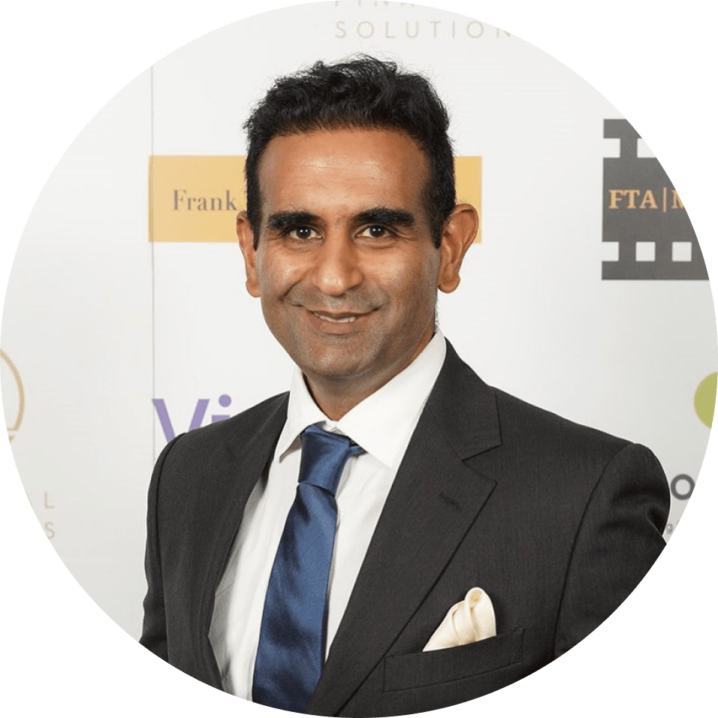
Veerinder is a skilled dentist who graduated from The University of Birmingham in 2007. After completing his studies, he spent a year working in South London, gaining valuable knowledge in treating both NHS and private patients.
Read More


“I recently completed a single dental implant procedure with Dr Nazran and was very impressed with his skill and professionalism. I get very nervous during medical procedures, and Dr Nazran was very gentle and took his time to make me...”
“Nothing but praise for the dentist who does implants at this practice and his staff! He explains everything he's doing in a very calm and reassuring manner. I am very pleased with the outcome and would recommend him to anyone....”
“Fantastic work by Dr Nazran. He has given me loads of information about keeping my teeth good and healthy after a clean and check-up for bleeding gums. My teeth feel fantastic after 6years of not going to the dentist. Best...”
“Thank you to the team for making my visit to you this morning more comfortable than I could have expected. You are all very good at making patients feel more relaxed and at ease. I appreciate Dr Nazran trying to...”
“Thank you so much for helping me to get the smile I've always wanted. You have been amazing throughout the whole process (as if it's been 3 years!). I honestly couldn't have asked for anyone better to have gotten these...”
“I recently completed a single dental implant procedure with Dr Nazran and was very impressed with his skill and professionalism. I get very...”
“Nothing but praise for the dentist who does implants at this practice and his staff! He explains everything he's doing in a very...”
“Fantastic work by Dr Nazran. He has given me loads of information about keeping my teeth good and healthy after a clean and...”
“Thank you to the team for making my visit to you this morning more comfortable than I could have expected. You are all...”
“Thank you so much for helping me to get the smile I've always wanted. You have been amazing throughout the whole process (as...”