If you’re thinking about improving the appearance of your teeth, the range of options can be confusing — whitening, bonding, veneers, aligners, or a combination. This guide sets out what each treatment does, who it tends to suit, and what affects the cost.
At Birmingham Dental Excellence, cosmetic dentistry is planned around your existing oral health, with Dr Veerinder Singh Nazran assessing what’s realistic before recommending anything.
Cosmetic dentistry focuses on the appearance of your teeth and smile. Where general dentistry prioritises health and function, cosmetic treatments address things like colour, shape, alignment and proportion — though in practice the two overlap, since a stable, healthy mouth is the foundation for any cosmetic work.
| Treatment | Best suited to | Typical considerations |
|---|---|---|
| Teeth whitening | General discolouration and staining | Non-invasive; results are gradual and need maintenance |
| Composite bonding | Small chips, gaps and uneven edges | Minimal tooth preparation; may need occasional repair |
| Veneers | Shape, colour and proportion changes | Usually involves removing a little enamel, so it’s a permanent step |
| Clear aligners | Crowding, spacing and minor bite issues | Requires consistent wear; takes months rather than weeks |
In many cases a combination works better than a single treatment — for example, straightening first, then whitening, then minor bonding to refine edges.
“Our aim is a result that suits each patient’s facial features, not just the teeth themselves. Sometimes the most appropriate answer is the smallest one.” — Dr Veerinder Singh Nazran
Cosmetic treatment is priced per tooth or per course rather than as a flat fee, so the total depends on:
Cosmetic dentistry is generally provided privately. Birmingham Dental Excellence sets out a written, itemised plan after your assessment, so you can see exactly what’s included before you decide anything.
A good consultation should include honest discussion of what a treatment won’t achieve, as well as what it will.
Cosmetic work is only sensible on a stable base. Active decay, gum disease or an unstable bite need addressing before appearance-focused treatment begins — otherwise you risk building on something that won’t hold.
How much does cosmetic dentistry cost in Sutton Coldfield?
It depends on which treatment is appropriate and how many teeth are involved. You’ll receive a written, itemised plan after your assessment so the cost is clear before you commit.
What is the most common cosmetic dental treatment?
Teeth whitening is the least invasive and most frequently requested, followed by composite bonding for small chips and gaps. Veneers and clear aligners address more substantial changes.
Is cosmetic dentistry available on the NHS?
Purely cosmetic treatment is generally provided privately. Treatment needed for dental health reasons may be available on the NHS — your dentist can explain which category your case falls into.
Does cosmetic dentistry damage your teeth?
It depends on the treatment. Whitening and bonding are conservative, while veneers usually involve removing a small amount of enamel, which is permanent. Your dentist should explain the trade-offs before you decide.
How long does cosmetic dental treatment take?
Whitening and bonding can often be completed in one or two visits. Veneers usually take a few appointments, and clear aligner treatment runs over months depending on the case.
Do I need healthy teeth before cosmetic treatment?
Yes. Any decay or gum disease is addressed first, because cosmetic work needs a stable, healthy foundation to last.
Back to Blog

Our state-of-the-art practice is dedicated to providing exceptional dental treatments in a comfortable and welcoming environment where we believe that a beautiful smile can change your life.
Our treatments

The number one solution for broken smiles.


Enjoy the advances of modern cosmetic dentistry with us.


Satisfaction and positive confidence with Invisalign®.


Subtle treatments to enhance your appearance.
The number one solution for broken smiles.
Enjoy the advances of modern cosmetic dentistry with us.
Satisfaction and positive confidence with Invisalign®.
Subtle treatments to enhance your appearance.

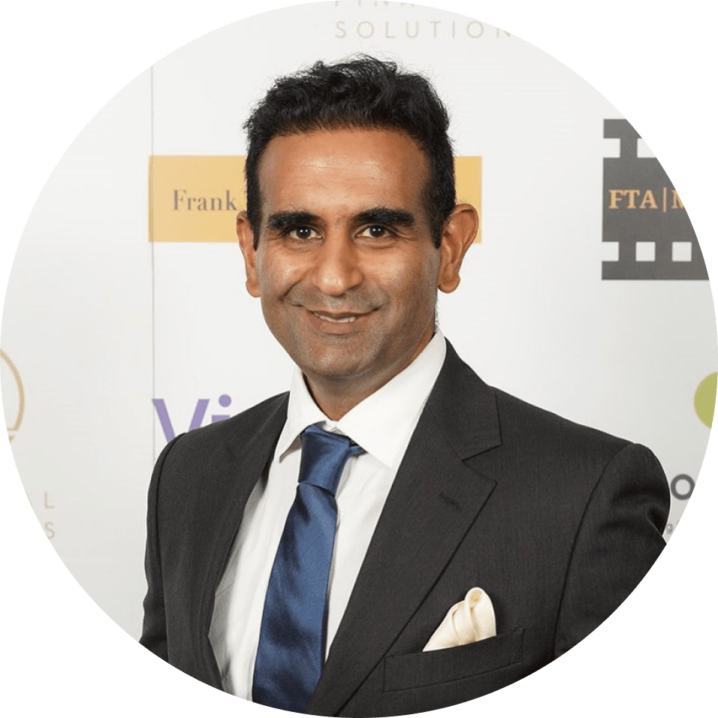
Veerinder is a skilled dentist who graduated from The University of Birmingham in 2007. After completing his studies, he spent a year working in South London, gaining valuable knowledge in treating both NHS and private patients.
Read More


“I recently completed a single dental implant procedure with Dr Nazran and was very impressed with his skill and professionalism. I get very nervous during medical procedures, and Dr Nazran was very gentle and took his time to make me...”
“Nothing but praise for the dentist who does implants at this practice and his staff! He explains everything he's doing in a very calm and reassuring manner. I am very pleased with the outcome and would recommend him to anyone....”
“Fantastic work by Dr Nazran. He has given me loads of information about keeping my teeth good and healthy after a clean and check-up for bleeding gums. My teeth feel fantastic after 6years of not going to the dentist. Best...”
“Thank you to the team for making my visit to you this morning more comfortable than I could have expected. You are all very good at making patients feel more relaxed and at ease. I appreciate Dr Nazran trying to...”
“Thank you so much for helping me to get the smile I've always wanted. You have been amazing throughout the whole process (as if it's been 3 years!). I honestly couldn't have asked for anyone better to have gotten these...”
“I recently completed a single dental implant procedure with Dr Nazran and was very impressed with his skill and professionalism. I get very...”
“Nothing but praise for the dentist who does implants at this practice and his staff! He explains everything he's doing in a very...”
“Fantastic work by Dr Nazran. He has given me loads of information about keeping my teeth good and healthy after a clean and...”
“Thank you to the team for making my visit to you this morning more comfortable than I could have expected. You are all...”
“Thank you so much for helping me to get the smile I've always wanted. You have been amazing throughout the whole process (as...”