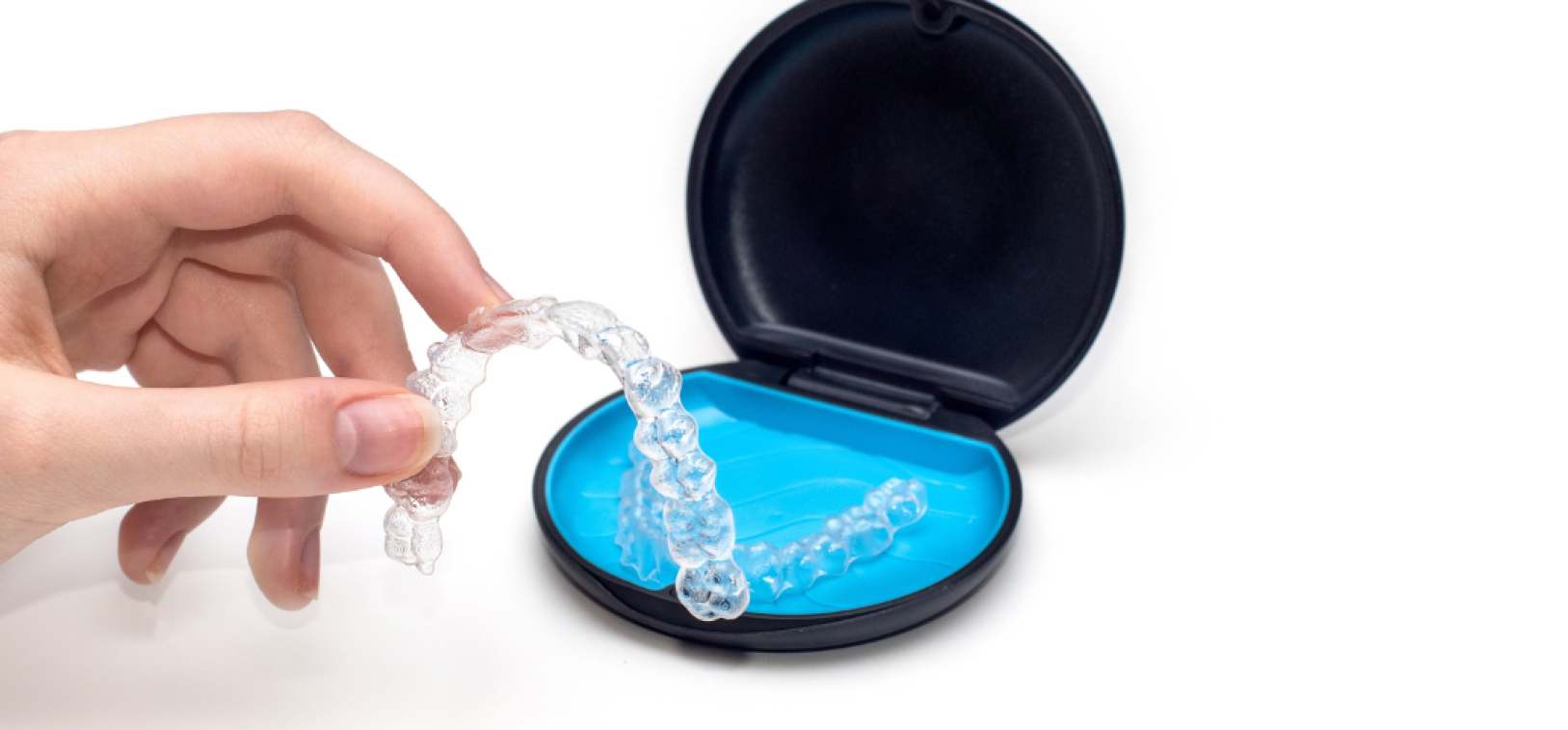
If you’ve been putting off straightening your teeth because you’re worried Invisalign will hurt, you’re certainly not alone. It’s one of the most common questions we hear at Birmingham Dental Excellence, and it’s a fair one to ask. Nobody wants to sign up for months of discomfort in the name of a straighter smile.
The good news? What most people imagine and what most people actually feel are two very different things. Let’s separate the myths from the reality, using both patient experience and the research behind it.
A lot of the fear around Invisalign comes from confusion with traditional metal braces. Wires, brackets, tightening appointments, cut cheeks — that’s the image many people still carry around in their heads, even though clear aligners work quite differently.
Invisalign uses a series of smooth, custom-made clear trays that gradually and gently guide your teeth into position. There are no metal brackets to rub against your cheeks and no wires to tighten. That said, it would be misleading to say you’ll feel absolutely nothing — any treatment that moves teeth involves some sensation, and it’s worth knowing what to expect.
Most patients describe it as pressure or tightness rather than sharp pain. It tends to show up:
This sensation is usually a sign that your teeth are moving as planned. It typically settles within a couple of days as your mouth adjusts, and many patients find each new tray feels less noticeable than the last as they become used to the process.
“Patients are often surprised by how quickly they stop noticing their aligners altogether. The first few days with a new tray are usually the only time discomfort is worth mentioning, and simple things like sticking to softer foods for a day or two make a real difference.” — a dentist at Birmingham Dental Excellence
It’s not just anecdotal — this is an area that’s been studied fairly closely in orthodontic research.
Taken together, the evidence lines up with what most patients tell us in the chair: some initial pressure, followed by a fairly quick adjustment period.
If you do notice some tenderness, a few simple habits tend to help:
It’s easy to assume all orthodontic treatment feels the same, but there are some genuine differences worth knowing about:
| Invisalign | Traditional Braces | |
|---|---|---|
| Material against soft tissue | Smooth plastic | Metal brackets and wires |
| Adjustment appointments | Change trays yourself at home | In-clinic wire tightening |
| Eating restrictions | Removable for meals | Food restrictions apply |
| Reported early discomfort | Generally mild, brief | Often more pronounced |
Mild pressure is normal. Persistent pain, sharp discomfort, or irritation that doesn’t ease after a few days isn’t something to just put up with. It could mean:
If anything feels off, it’s always worth getting it checked rather than struggling on. That’s what your dental team is there for.
Every mouth moves differently, and how you experience treatment can depend on things like your starting alignment, how closely you follow the wear schedule, and even your general sensitivity to pressure. This is why an in-person assessment matters so much before you begin.
At Birmingham Dental Excellence, treatment plans are built around your teeth, your goals and your day-to-day life — not a one-size-fits-all template.
Does Invisalign hurt?
It isn’t pain-free, but most patients feel mild pressure or tightness rather than sharp pain, mainly in the first day or two of a new tray.
How long does Invisalign pain last?
Any tenderness usually settles within a couple of days as your mouth adjusts, and many people find each new tray feels less noticeable than the last.
Is Invisalign more comfortable than braces?
Research consistently finds aligner patients report less discomfort than those with fixed braces, particularly in the early days of treatment.
How can I relieve Invisalign discomfort?
Switching trays before bed, sticking to softer foods for a day or two, and using over-the-counter pain relief as directed all help. Keeping aligners in as instructed reduces soreness too.
When should I contact my dentist about Invisalign pain?
If pain is persistent or sharp, or doesn’t ease after a few days, it’s worth getting checked — a tray, attachment, or plan may need a small adjustment.
Back to Blog

Our state-of-the-art practice is dedicated to providing exceptional dental treatments in a comfortable and welcoming environment where we believe that a beautiful smile can change your life.
Our treatments

The number one solution for broken smiles.


Enjoy the advances of modern cosmetic dentistry with us.


Satisfaction and positive confidence with Invisalign®.


Subtle treatments to enhance your appearance.
The number one solution for broken smiles.
Enjoy the advances of modern cosmetic dentistry with us.
Satisfaction and positive confidence with Invisalign®.
Subtle treatments to enhance your appearance.


Veerinder is a skilled dentist who graduated from The University of Birmingham in 2007. After completing his studies, he spent a year working in South London, gaining valuable knowledge in treating both NHS and private patients.
Read More


“I recently completed a single dental implant procedure with Dr Nazran and was very impressed with his skill and professionalism. I get very nervous during medical procedures, and Dr Nazran was very gentle and took his time to make me...”
“Nothing but praise for the dentist who does implants at this practice and his staff! He explains everything he's doing in a very calm and reassuring manner. I am very pleased with the outcome and would recommend him to anyone....”
“Fantastic work by Dr Nazran. He has given me loads of information about keeping my teeth good and healthy after a clean and check-up for bleeding gums. My teeth feel fantastic after 6years of not going to the dentist. Best...”
“Thank you to the team for making my visit to you this morning more comfortable than I could have expected. You are all very good at making patients feel more relaxed and at ease. I appreciate Dr Nazran trying to...”
“Thank you so much for helping me to get the smile I've always wanted. You have been amazing throughout the whole process (as if it's been 3 years!). I honestly couldn't have asked for anyone better to have gotten these...”
“I recently completed a single dental implant procedure with Dr Nazran and was very impressed with his skill and professionalism. I get very...”
“Nothing but praise for the dentist who does implants at this practice and his staff! He explains everything he's doing in a very...”
“Fantastic work by Dr Nazran. He has given me loads of information about keeping my teeth good and healthy after a clean and...”
“Thank you to the team for making my visit to you this morning more comfortable than I could have expected. You are all...”
“Thank you so much for helping me to get the smile I've always wanted. You have been amazing throughout the whole process (as...”